Our feet are truly remarkable in their design and function. How many of us stop to take a moment to appreciate how they actually support us in our movement throughout the day? When we consider, just on a physical level, their job speck and the incredible functionality of their design, we can then maybe realise the necessity of looking after them and take steps (pun intended) to bring some true care and nurture to them. This begins with the very basics of caring for our feet and attending to what’s needed for their health and maintenance.
It’s for this purpose, that I have put together a list of my top 10 tips to take care of your precious feet. Regular routines and rituals help to make these into an enjoyable practice.
Building a regular and consistent routine to caring for your feet is something that your feet will thank you for, and as you develop consistency in this practice, it can become an enjoyable ceremony and ritual that provides a truly supportive foundation to your day and life. Here we go. . .
1. Wash your feet daily to keep them clean and fresh.
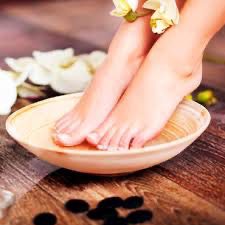
Why not make some space for regular foot baths in warm water with some mineral salts – either Epsom or Himalayan salts are best. Although there are no firm clinical studies on the benefits of salts, it’s a lovely practice to treat your feet to, particularly at the end of the day or after a lot of activity and your feet are tired. Adding salts to your water can be beneficial for your skin and can relax the muscles and tendons in your feet. There’s also some thought that soaking in salts, which are a rich source of magnesium, may help support the quality of your sleep. Either way, adopting this ritual before bed, can be a super relaxing as part of your evening wind down routine, thus supporting the quality of your sleep. Plus your feet will awaken relaxed and ready for the day ahead!
Note that it’s important to dry your feet thoroughly, especially between the toes, to avoid developing sores and fungal infections like athlete’s foot.
2. Keeping your feet dry.
Damp and warm conditions are a breeding ground for skin problems and fungal infections. Our feet can get hot and sweaty during the day, particularly if our shoes don’t allow space for the toes to breathe; always choose shoes that provide a comfortable and roomy toe box – never compromise on this. Wear waterproof shoes or boots if necessary and take special care to let your feet breathe and dry out after sweating or getting wet. Have a change of socks during the day if need be and rotate your shoes so they have a chance to dry and air out..
3. A daily massage.
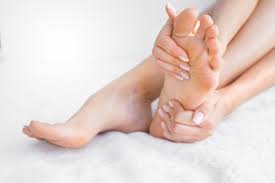
A daily massage with your favourite foot cream not only feels great but benefits your muscles, tendons, and ligaments in supporting them to increase flexibility and suppleness. This is another practice that is great to do before bed, or if you’re too exhausted at the end of the day, maybe keep some cream by you when you’re sitting in front of the TV or with a cup of tea, and take a moment to care, nurture and appreciate you feet with this little massage routine. There are some great foot creams designed to moisturise your skin. Some special foot creams contain urea as an ingredient, which helps to reduce hard skin and the build-up of callus. The percentage of urea you choose can vary depending on the intensity of the callus build-up; 10 to 15% is a general recommendation.
Note that it’s best to avoid using creams and lotions between the toes to prevent moisture build-up where there’s a possibility of fungal growth.
4. Visual and physical inspection.
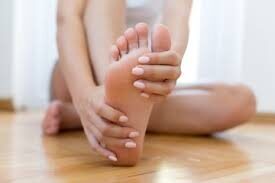
A regular visual and physical inspection is a must. An important part of your health check is to look out for early warning signs for things like corns, cuts, abrasions, sores, ulcers, swelling and nail problems. Take note if there is any loss of sensation, burning, tingling or any changes to your feet. This is especially important if you have diabetes or poor circulation. Some of these symptoms can be early warning signs for more serious health concerns, so taking note of any changes in how your feet feel or appear is important.
5. Take prompt action
If you do notice anything unusual developing with your feet, such as corns, cuts, abrasions, sores, ulcers, infections etc., book in to see a Foot Health Practitioner, Podiatrist or your GP so that conditions can be promptly and properly diagnosed and treated early before they worsen, causing further complication.
Pay attention to the detail
6. Toenail health.
When you’re inspecting your feet, pay attention to how your toenails look and feel. There are many conditions that can affect the health of your toenails. Fungal infections are a common condition, causing discolouration, thickening and crumbling of the nails. Trauma from injury or ill-fitting shoes, can also damage the structure of the nail. Some health conditions, like diabetes and poor circulation can contribute to nail problems. Skin conditions like psoriasis and eczema can also affect the health and appearance of the nails. When trimming your nails, be careful not to cut them too short and avoid leaving sharp edges at the corners – sharp edges can lead to inflammation and ingrown toenails, which can be incredibly painful.
7. Footwear.
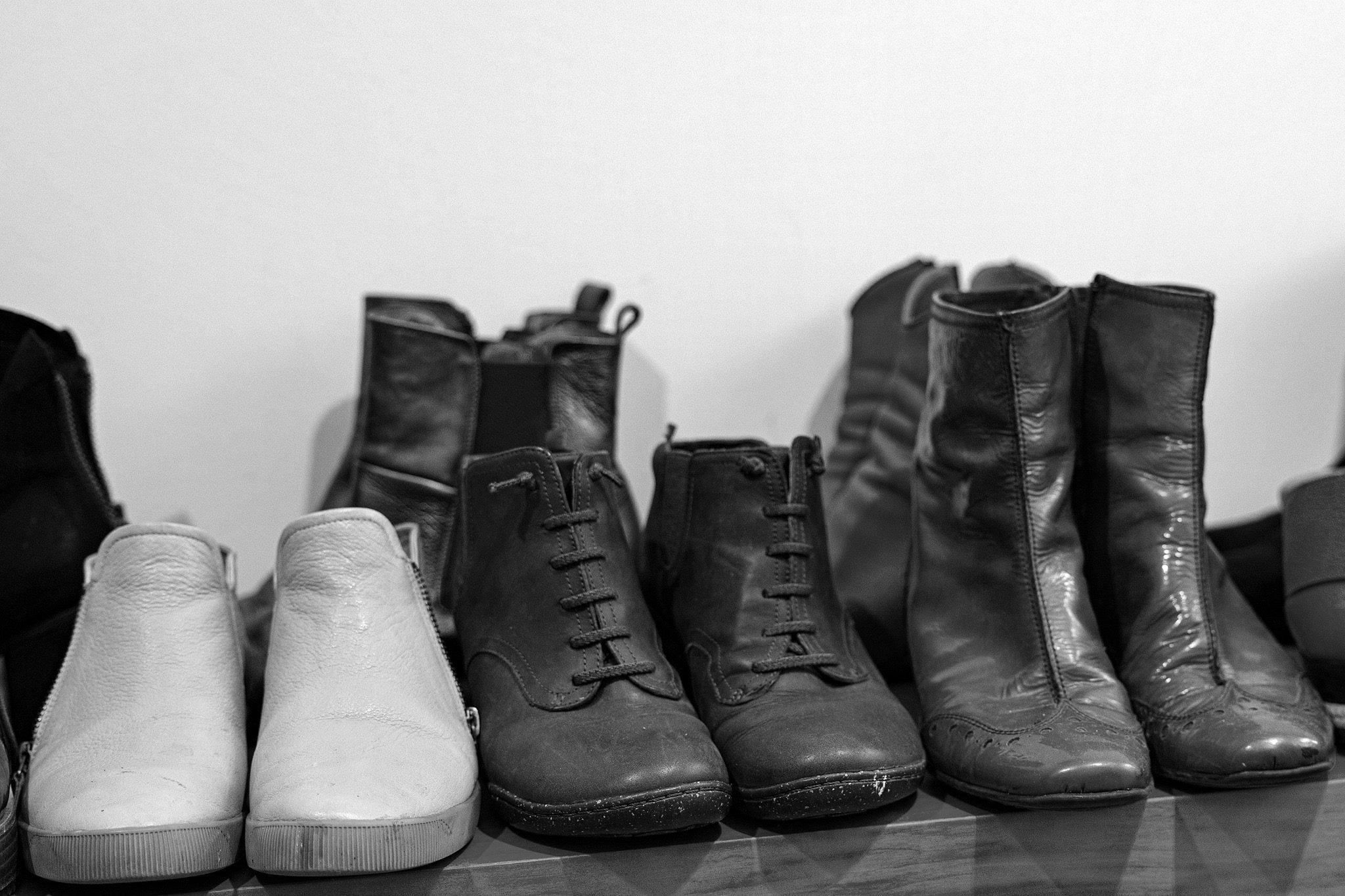
Footwear is super important for supporting and protecting your feet. Properly fitting shoes and trainers to offer protection and support the areas of your feet that most need it, as in, the ball, heel and arches, is a must. Avoid high heels, pointed toes, and any shoes that cramps and squashes your toes and feet. Feel into what your feet need for their comfort and health. Opting for fashion over health can have a long-lasting effect on the bones and joints of your feet. Poorly fitting shoes can also cause pressure and friction which in turn can lead to blisters, corns and callus build-up. Trauma can also be caused to toenails, as well as other deformities such as bunions and hammer toes. Love your feet and invest in good quality footwear which will truly support your feet and how both you and they feel. As much as you may love wearing flip flops, they’re not so great for protection, supporting your feet or your foot posture when walking if worn too much. So if you love your flip flops it’s advisable to make them occasional wear. Avoid walking barefoot in public places. Protect your feet from infections by wearing your flip flops or water shoes in communal showers, pools and locker rooms.
We may have our favourite comfy pair of shoes, but’s important to rotate foot wear, especially to give them a chance to air and dry if our feet get a bit sweaty.
8. Socks.
Wear clean socks daily and ensure that they are well-fitting. Choose a breathable material such as bamboo or a moisture wicking material. Contrary to popular opinion, cotton socks are not great because the cotton expands absorbing the moisture, which will keep the feet damp. If you notice your socks cause a compression mark around your ankles by the end of the day, they are too tight and restricting blood flow which can cause poor circulation. Find sock stockists that supply gentle grip socks to avoid tightness and restriction to your ankles and feet.
9. Foot exercises.
Simple foot exercises and gentle stretches can improve circulation and flexibility of your feet as you age gracefully. It’s great to include some gentle connective tissue exercises which support suppleness and flow of movement to this area. Walking, as we all know, is a great form of exercise, so bringing focus and presence to your feet and how they touch the ground, along with the quality of movement can be relaxing and beneficial on many levels. Occasional barefoot walking at home on soft surfaces can support to strengthen muscles (unless medically advised not to), this requires some focus and presence also to avoid injury.
10. Seeing a Foot Health Practitioner or a Podiatrist
Finding a Foot Health Practitioner or a Podiatrist you feel you like and trust is important for the welfare of your feet. Book in regular appointments. Most people find that every 8 to 10 weeks is sufficient as part of their health care maintenance checks and to keep on top of anything that needs attending to. Regular appointments help to build a relationship with your Foot Health Professional (FHP), helping them to get to know you and your feet. Many people find they enjoy their regular visits and the social interaction it offers, particularly for elderly people who may be living on their own. It’s well worth making this a part of your self-care routine whatever your lifestyle.
So there is my short list of simple practices that will support you and your feet to stay healthy. Our body is always communicating to us and this includes our feet, so it’s really important to listen and feel what it is that is being communicated. The concept of listening to your body, this can be something that is unfamiliar or new to you. We’ve become so good at taking our body for granted and it’s only when a problem occurs or we experience pain that we start to pay attention or take steps to deal with the issue. By adopting a regular self-care practice, it will support in developing a greater awareness of what our bodies need and listen to those early warning signs so that health conditions don’t escalate and cause more long term and hard to resolve issues. So front-footing and being one step ahead is definitely worth creating space for.